


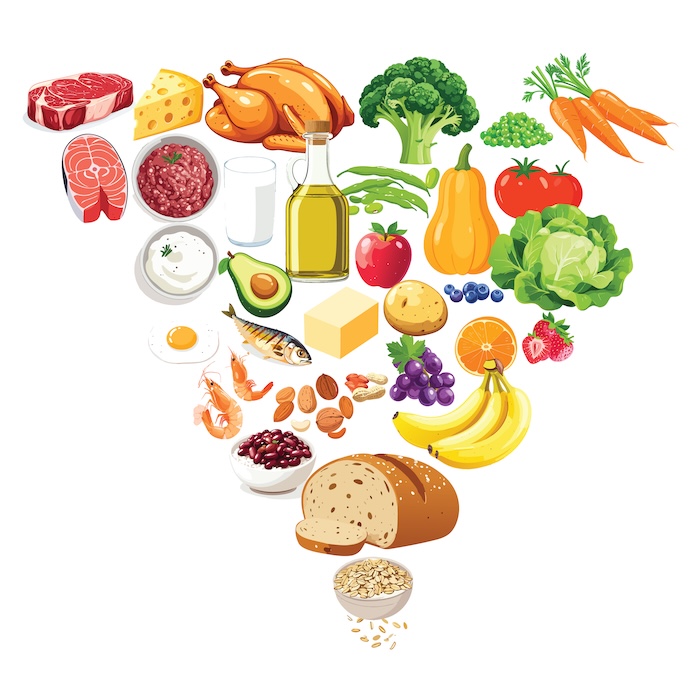
For decades, parents grew up with the familiar image of the food pyramid — a sturdy base of bread and pasta, layers of fruits and vegetables, and fats perched sparingly at the very top. But the truth is, this approach to nutrition hasn’t been used in over two decades.
Nutrition science has evolved. And so has the food pyramid.
The newest federal dietary guidelines follow what most pediatricians have been adopting for years, which is a shift away from carb-heavy foundations toward balanced plates, quality proteins, healthy fats, and reduced added sugars.
At Ocean Pediatrics, Orange County’s most trusted pediatric practice, we believe that pediatric care is both a science and an art. Nutrition is no exception. Here’s what the latest update to the food pyramid means for your growing child — what makes sense, what deserves a closer look, and how we recommend building healthy habits that last a lifetime.
What changed in the new dietary guidelines?
The original Food Guide Pyramid (introduced in 1992) emphasized 6–11 servings of bread, rice, and pasta daily. In 2011, it was replaced with MyPlate, which shifted the visual model to a plate divided into fruits, vegetables, grains, protein, and dairy.
More recent updates to the Dietary Guidelines for Americans (2020–2025) go further, emphasizing:
- More fruits and vegetables (about half the plate)
- A variety of protein sources, including plant-based options
- Whole grains over refined grains
- Limiting added sugars (less than 10% of daily calories for children over age 2)
- Avoiding added sugars entirely for children under age 2
- Emphasizing healthy fats over saturated fats
In other words — the pyramid has been flipped from quantity to quality.

What makes sense for growing kids
Some of these updates are long overdue — especially when we look at rising rates of childhood obesity, type 2 diabetes, and metabolic concerns (CDC).
Prioritizing whole foods
Encouraging vegetables, fruits, lean proteins, and whole grains gives children fiber, antioxidants, and essential nutrients that support brain development, immune health, and steady energy levels.
Reducing added sugars
Children today consume significantly more added sugar than recommended, particularly from sugary beverages and processed snacks (CDC). Lowering added sugar intake supports healthier weight patterns, dental health, and metabolic stability.
Emphasizing healthy fats
Healthy fats — such as those from avocados, nuts, seeds, and fatty fish — are essential for brain development, especially in early childhood. Moving away from the outdated “low-fat everything” mentality better supports cognitive growth.
From a pediatric perspective, these shifts align well with what we know about child development and long-term health.

Separating fats from fiction: where parents may feel confused
- Are carbohydrates “bad”?
No. Growing children need carbohydrates for energy — especially active kids and teens. The key distinction is whole grains versus refined grains. Brown rice, oats, quinoa, and whole wheat provide fiber and sustained energy. Highly processed white breads and sugary cereals spike blood sugar and leave kids hungry sooner.
- Should kids follow adult diet trends?
Keto, intermittent fasting, and other restrictive diets are not appropriate for most growing children unless medically supervised. Kids require steady fuel for physical growth, hormonal development, and brain function.
- Is dairy still important?
For most children, dairy (or fortified alternatives) remains an important source of calcium and vitamin D for bone development. Individual needs may vary, and this is where personalized pediatric guidance matters.

Ocean Pediatrics’ recommendations for healthy eating
At Ocean Pediatrics, we go beyond guidelines. We look at the whole child — growth curves, activity level, family history, cultural preferences, and lifestyle. Here’s what we recommend to families:
Focus on balance, not perfection This means aiming for:
- Half the plate fruits and vegetables
- A quarter high-quality protein
- A quarter whole grains
- A serving of healthy fat
Not every meal will look perfect — and that’s okay. Patterns over time matter more than individual meals.
Make protein a priority at breakfast: Protein stabilizes blood sugar and improves focus at school. Eggs, Greek yogurt, nut butters, cottage cheese, or protein-rich smoothies can make a significant difference in energy and concentration.
Don’t fear healthy fats: Brain development depends on fats. Include avocados, olive oil, nut butters, seeds, and fatty fish regularly.
Limit sugary drinks: Water and milk should be primary beverages. Juice — even 100% juice — should be limited due to concentrated sugar content.
Model healthy habits: Children learn more from what we do than what we say. Shared family meals, balanced plates, and a positive relationship with food set the tone for lifelong wellness.

The bigger picture: nutrition as preventive medicine
Nutrition isn’t about rigid rules. It’s about building a foundation for lifelong health. As Orange County’s most trusted pediatric practice, we see firsthand how early eating patterns influence growth, mood regulation, academic performance, sleep, and long-term disease risk. The updated food guidelines are moving in a direction that supports prevention — and that’s a powerful step forward.
At Ocean Pediatrics, we combine advanced medical insight with compassionate, personalized guidance. Because pediatric care isn’t just about treating illness — it’s about nurturing thriving, healthy futures. If you have questions about your child’s nutrition, growth, or dietary needs, our team is here to help, at one of our three Orange County pediatric offices: Newport Back Bay, Laguna Hills and Ladera Ranch. Schedule an appointment today, because your family shouldn’t feel confusion at the dinner table, you should feel full.