


Those of us in Orange County know all too well that Spring is already here. And those of us with children know something else — hay fever is also showing up to the party. While the season brings fresh air, blooming flowers, and more time outdoors, it can also trigger uncomfortable allergy symptoms in children.
At Ocean Pediatrics, we believe in helping families feel prepared, supported, and confident through every season. Here’s what to know about spring allergies — and how to help your child breathe a little easier.
When does spring allergy season start?
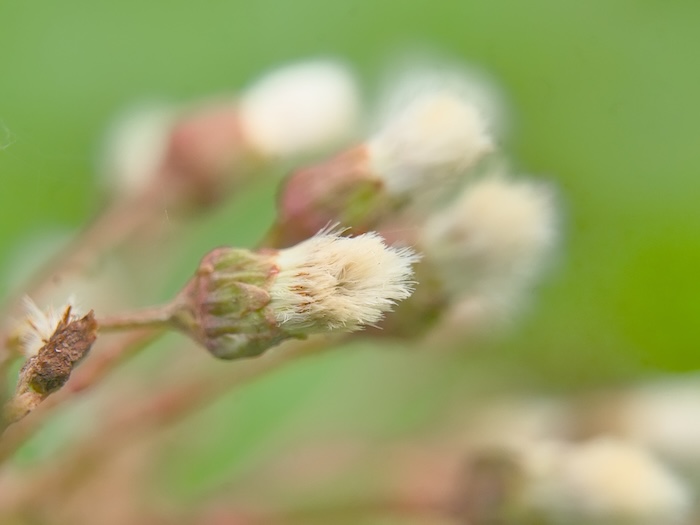
Spring hay fever typically begins as early as late February and can last through May or even early summer, depending on your location and weather patterns. In coastal communities, mild winters can mean an earlier and longer allergy season.
The main culprit? Tree pollen. As trees release tiny pollen particles into the air, they can easily be inhaled — triggering allergic reactions in sensitive children.
Spring hay fever causes and triggers
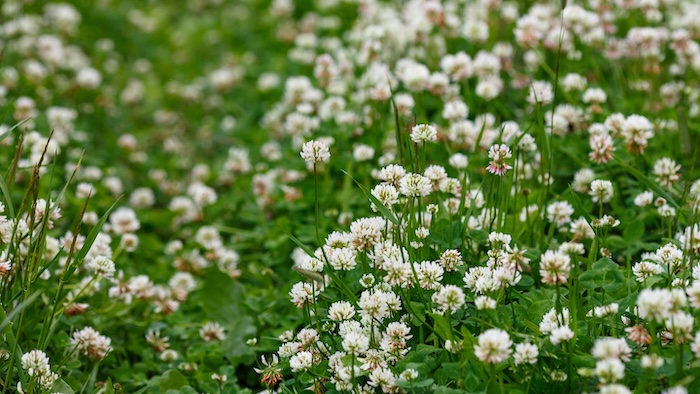
The airborne pollen that causes most hay fever allergies is typically from a few sources:
- Tree pollen (most notably oak, birch, cedar, pine)
- Grass pollen (which increases later in spring)
- Windier days that spread pollen more easily
- Outdoor activities during peak pollen times (early morning and late afternoon)
Even if your child didn’t have allergies in the past, they can develop over time as their immune system changes.
Spring allergy symptoms to watch for
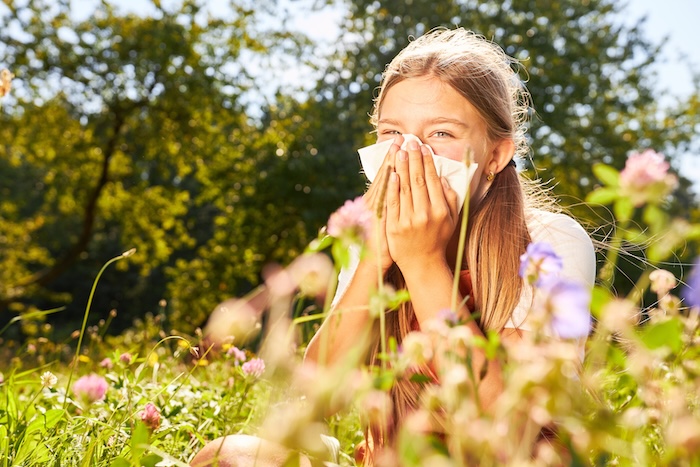
Hay fever symptoms in children can sometimes be mistaken for a cold — but they tend to last longer and follow a seasonal pattern. Common signs include:
- Sneezing
- Runny or congested nose
- Itchy nose, eyes, or throat
- Watery or red eyes
- Coughing or throat clearing
- Fatigue or trouble sleeping
If your child seems uncomfortable for weeks at a time during spring, allergies may be the cause.
How to manage symptoms at home
The good news: there are simple ways to reduce exposure and help your child feel better. Let’s talk about a few:
Limit pollen exposure
- Keep windows closed during high pollen days
- Use air conditioning when possible
- Have your child change clothes and wash hands after playing outside
Create a clean indoor environment
- Shower or bathe before bedtime to remove pollen
- Wash bedding regularly
- Use high-efficiency (HEPA) air filters if available
Support symptom relief
- Saline nasal sprays can help clear pollen from nasal passages
- Over-the-counter allergy medications may be helpful (always consult your pediatrician first)
Small, consistent habits can make a big difference in your child’s comfort throughout the season.

When to see a pediatrician
If symptoms are persistent, worsening, or interfering with sleep, school, or daily activities, it’s time to seek expert care. You should consider a visit if your child:
- Has symptoms lasting more than a few weeks
- Experiences frequent coughing or wheezing
- Has difficulty sleeping due to congestion
- Isn’t improving with basic at-home care
Spring should be a time of smiles and sunshine — not sniffles and sneezes. And with the right care and guidance, spring hay fever can be managed so your child can fully enjoy the season. At Ocean Pediatrics, we combine advanced diagnostic tools with a deeply personalized approach — and our team of passionate caregivers is available to help you identify triggers, tailor treatment plans, and help your child thrive right on through to the summer and beyond.
We’ve got pediatric offices in Ladera Ranch, Laguna Hills and Newport Back Bay, so schedule an appointment today, and breathe easy.