


During the wintertime, when families spend more time indoors, an important — yet invisible change takes place, in the quality of the air our children breathe.
When temperatures drop, homes and cars are sealed tightly against the cold. Windows stay closed. Heaters run continuously. Air circulates and recirculates. While this keeps us warm, it can significantly impact indoor air quality, affecting your child’s respiratory health, sleep, immune function, and overall well-being.
At Ocean Pediatrics, Orange County’s most trusted pediatric practice, we believe that care extends far outside of the exam room. That’s why we’re here to give you some important info about indoor air quality, and tips to improve yours.
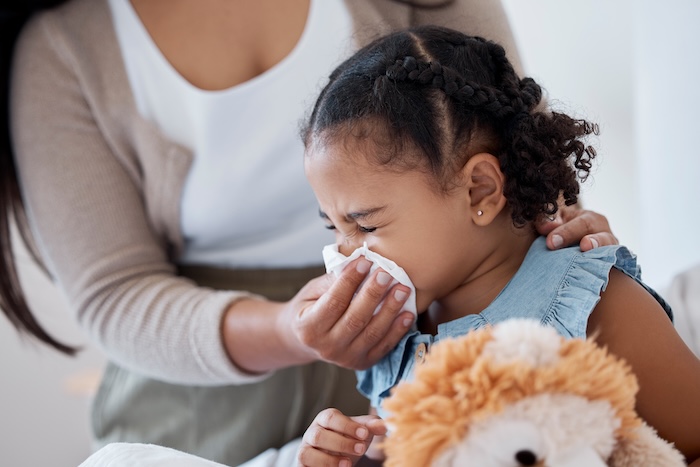
Why indoor air quality matters for children
Children are especially sensitive to air pollutants. Their lungs are still developing, they breathe faster than adults, and they spend a significant amount of time indoors — especially during winter. Poor indoor air quality has been linked to:
- Increased asthma symptoms and flare-ups
- More frequent colds and respiratory infections
- Worsening seasonal allergies in children
- Headaches and fatigue
- Sleep disturbances
For children with asthma or underlying respiratory conditions, indoor pollutants can be particularly triggering. That means that cleaner air isn’t just about comfort. It’s about protecting growing lungs.

Common winter air quality concerns inside the home
Many parents are surprised to learn how everyday household habits can impact the air their child breathes. Here are the most common sources of indoor air pollution, and easy fixes you can implement today:
Recirculated air without ventilation: When homes are sealed for warmth, fresh airflow decreases. Pollutants, allergens, and viral particles can linger longer in stagnant air. Even brief daily ventilation — opening windows for 5–10 minutes — can significantly improve air exchange without dramatically cooling your home.
Fireplace smoke, candles, and incense: Even when out of reach, burning candles, incense, or wood in a fireplace releases fine particulate matter into the air. These particles can irritate developing lungs and trigger asthma or allergy symptoms. “Natural” or “non-toxic” labels do not eliminate airborne particles. For families with young children, limiting indoor combustion sources is one of the most impactful changes you can make.
Car air on recirculate mode: On winter road trips or daily school drop-offs, many vehicles default to recirculated air. While helpful in extreme temperatures, prolonged use can concentrate pollutants inside the cabin. Switching periodically to fresh air mode allows outside air exchange and reduces buildup of carbon dioxide and irritants — especially important during longer drives.
Dust, pet dander, and indoor allergens: Closed windows mean allergens accumulate more easily. Dust mites, pet dander, and mold spores can circulate through heating systems, worsening allergy symptoms in children. Regular cleaning, vacuuming with HEPA filters, and washing bedding in hot water can make a meaningful difference.

Simple habits to improve indoor air quality
Creating healthier indoor air doesn’t require a major overhaul. Small, consistent habits can have a big impact. Here are a few of the most effective ways to improve indoor air quality.
Air out your home daily
Even in colder months, briefly opening windows creates natural ventilation. Aim for a few minutes in the morning or afternoon to allow fresh air to circulate.
Use a high-quality air purifier
Air purifiers for home use — especially those with HEPA filtration — can reduce airborne particles, allergens, and certain pollutants. Place them in bedrooms or main living areas where children spend the most time. Before you purchase, make sure you choose a model designed for the room you wish to use it in, and remember to order replacement filters.
Maintain your HVAC system
Change air filters regularly (typically every 1–3 months during heavy use). Consider higher-efficiency filters compatible with your system to capture smaller particles.
Add houseplants thoughtfully
Certain houseplants may support indoor air freshness and humidity balance. While they’re not a replacement for ventilation or filtration, they can complement a healthy indoor environment — just ensure plants are non-toxic and soil is free of mold buildup.

Protecting children with asthma or allergies
For children with asthma, allergic rhinitis, or frequent respiratory infections, indoor air quality becomes even more important. As a parent of a child with one of these conditions, follow these precautions:
- Avoid smoke exposure of any kind
- Keep bedrooms especially clean and well-filtered
- Monitor symptoms during winter months
- Discuss flare-up patterns with their pediatrician
We work closely with families to create proactive asthma action plans and allergy management strategies — because prevention is always better than reaction.
At Ocean Pediatrics, we’re here to give your family the support and guidance it needs to stay as healthy as possible, all year long. And with our three locations in Newport Back Bay, Laguna Hills and Ladera Ranch, we deliver the most trusted pediatric care to families across Orange County. Schedule an appointment today, and you can breathe easy knowing your little ones will be taken care of, no matter what.