

In today’s world of brightly colored toys, noisy gadgets, and picture perfect playrooms, it’s easy to unintentionally create a space that overwhelms more than it soothes. Supporting your child’s emotional and developmental wellness includes offering a home environment that nurtures calm, focus, and creativity. By avoiding overstimulation, you can give your child a more peaceful place to grow and yourself a little more calm in the process. So, let’s dive into what our pediatric experts recommend for designing a space that inspires peaceful play.
What is overstimulation?
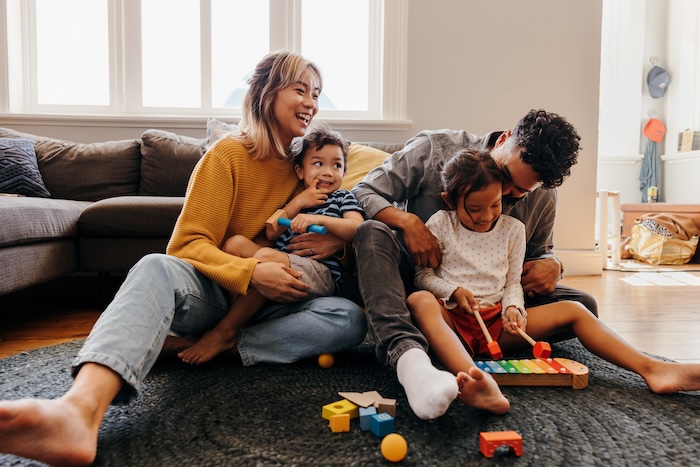
Overstimulation happens when children are overwhelmed with more experiences, sensations, or activities than they can comfortably handle. Whether it’s too much noise, too many toys, clashing colors, or constant movement, overstimulation can be difficult for developing brains to process. This can lead to meltdowns, hyperactivity, or trouble winding down. It can also interfere with a child’s ability to focus and play meaningfully — both of which are essential for healthy development.

How to avoid overstimulation
Simplify the selection
It’s not about how many toys your child has, it’s about how they’re presented. A room packed with bins and shelves can feel chaotic to young children. Think of toys as tools for imagination, not entertainment: fewer options often mean deeper play. Try this instead:
- Rotate toys weekly to keep things fresh without the overwhelm
- Choose open-ended toys (like blocks, play silks, or animal figurines) that invite creativity
- Use natural materials when possible (they tend to be calmer to the senses)

Pick soft palettes
Bold, primary colors might seem stimulating but too many can make a space feel busy and tense. Soft, muted colors like sage green, dusty blue, and warm neutrals help regulate energy and foster calm. So, try painting walls in soft shades and add color through textiles or artwork in small doses. A soothing backdrop can relax overstimulated minds.
Create cozy corners
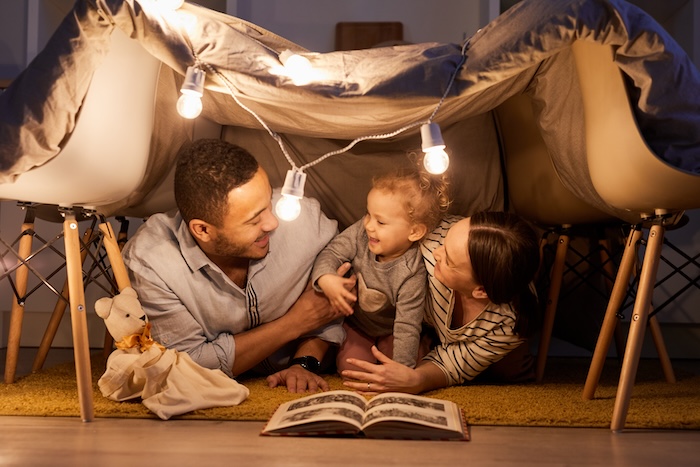
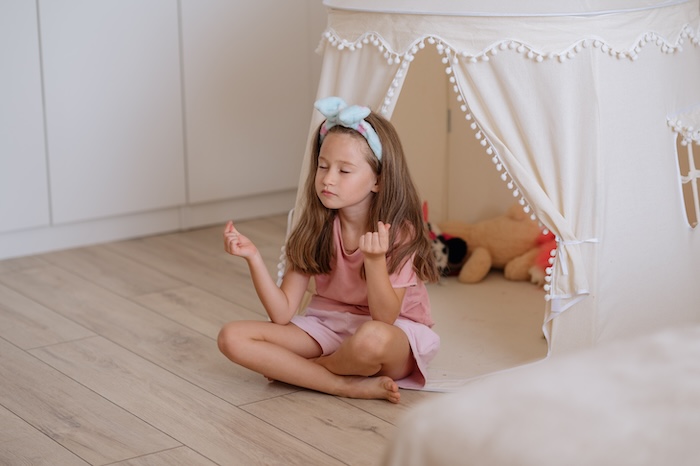
Even play spaces need breaks. Carving out a “quiet corner” or reading nook gives children a chance to recharge. To encourage self-regulation, we recommend adding things like soft pillows or a bean bag and a basket of books or calming toys.
Lessen harsh lighting
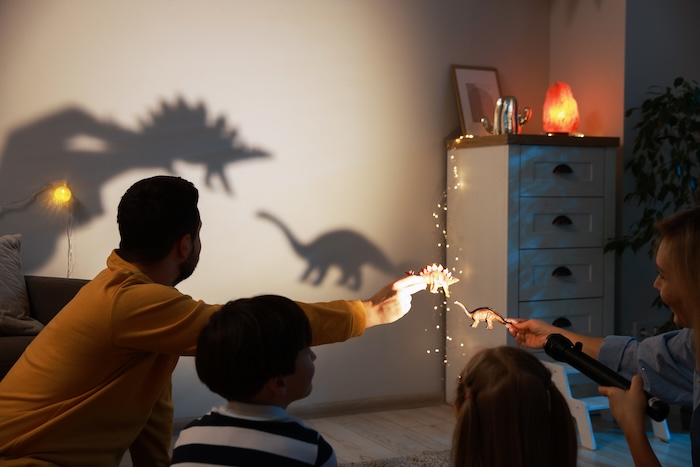
Intense overhead lights can overstimulate little eyes. Whenever possible, let in natural daylight and use warm, dimmable lighting in the evening. Lighting can have a big impact on mood and energy levels, for kids and adults, too.
Stick to soothing sounds
Playrooms often come with the soundtrack of beeping toys, music, and shouting. While noise is inevitable, consider these simple solutions:
- Avoid battery-operated toys with constant sound effects
- Add soft rugs and curtains to absorb echoes
- Use a soothing noise machine during quiet time

At Ocean Pediatrics, our pediatric care meets families where they are — at home, at play, and every precious moment in between. We believe a thoughtfully designed play space isn’t just about aesthetics; it’s about creating a foundation for emotional wellness, learning, and connection. For more tips and advice on avoiding overstimulation in your home, don’t hesitate to reach out to Orange County’s best pediatric team, or make an appointment with us. As always, we’re here to help!