


Is your child’s sunscreen actually working? What OC parents need to know
You bought the sunscreen. You applied it before leaving the house. Your kids spent four hours at the beach and came home looking like little lobsters anyway.
Sound familiar?
Here in Orange County, sun protection isn’t a seasonal concern, it’s a year-round one. And for most families, the gap between thinking sunscreen is working and it actually working comes down to a few common misunderstandings. Let’s clear them up.
SPF doesn’t work the way most people think
Sun Protection Factor (or SPF) measures how long a sunscreen extends your skin’s natural protection against UVB rays (the ones that cause sunburn). SPF 30 means it would theoretically take 30 times longer to burn than with no protection at all.
What it doesn’t mean: that higher SPF gives dramatically better protection.
Here’s the math that surprises most parents:
- SPF 15 blocks about 93% of UVB rays
- SPF 30 blocks about 97%
- SPF 50 blocks about 98%
The jump from SPF 30 to SPF 50 is smaller than most people assume — and no sunscreen blocks 100%. The American Academy of Pediatrics (AAP) recommends SPF 30 or higher for children, applied correctly and reapplied consistently. Which brings us to the part most families get wrong.
Reapplication is where sun protection actually happens
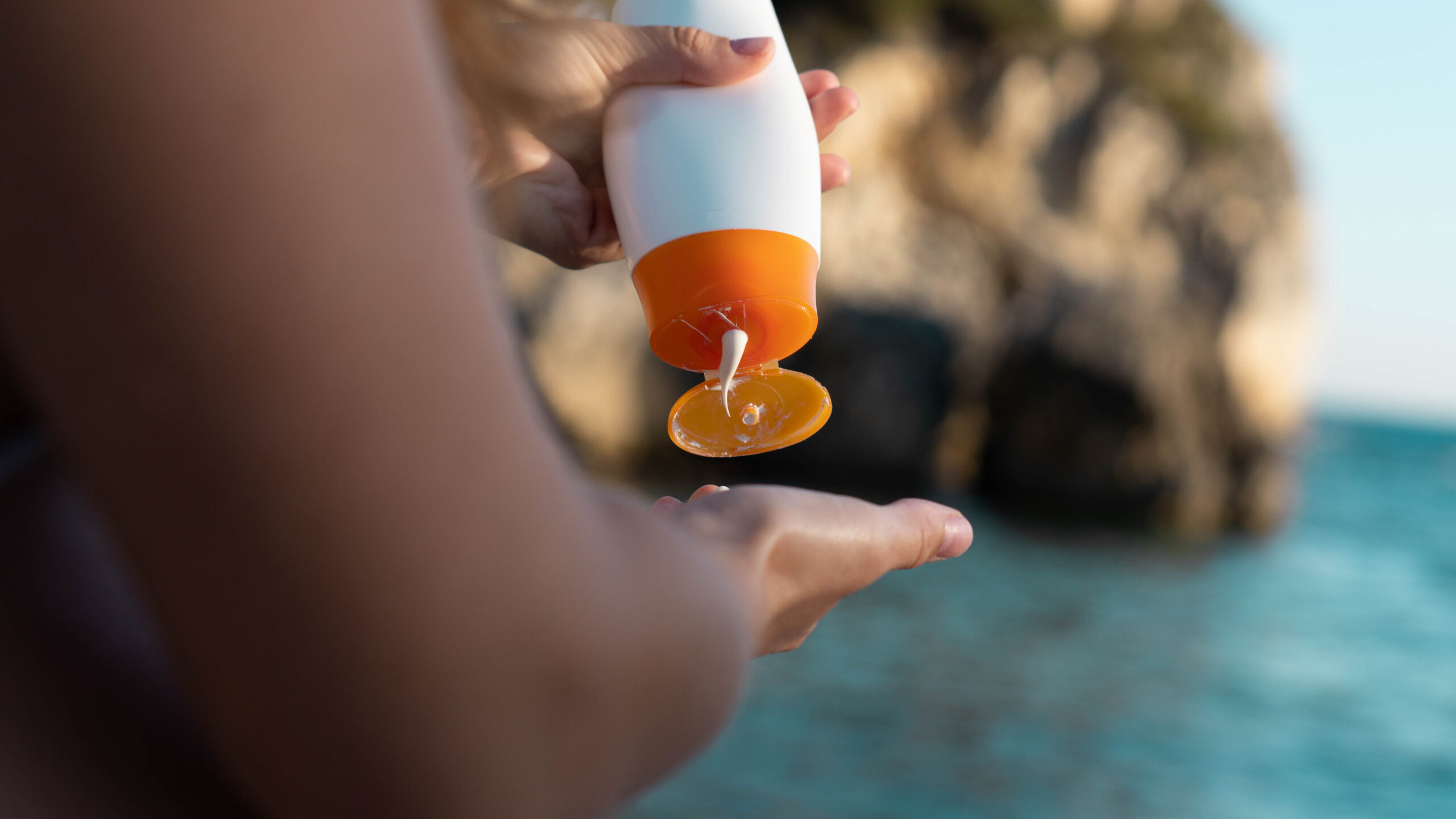
A single application of sunscreen before you leave the house is not a sun protection plan. It’s a start.
The AAP recommends reapplying sunscreen every two hours — and immediately after swimming or toweling off, regardless of whether the label says “water resistant.” (Water-resistant formulas hold up for either 40 or 80 minutes in the water, not indefinitely.)
In practice, this means:
- Apply 15–30 minutes before sun exposure
- Set a timer and reapply every two hours
- Keep sunscreen accessible, in the beach bag, the stroller, the car, so reapplication actually happens
Mineral vs. chemical: what’s the difference for kids?
You’ve probably seen both types on shelves and wondered whether it matters which you choose. Here’s a quick breakdown:
Mineral sunscreens (look for zinc oxide or titanium dioxide as active ingredients) sit on top of the skin and physically block UV rays. They’re the AAP’s preferred choice for babies and young children, tend to be less irritating for sensitive skin, and are effective immediately upon application. The tradeoff: they can leave a white cast, especially on deeper skin tones, and some formulas feel heavier.
Chemical sunscreens absorb into the skin and convert UV rays into heat. They tend to be lighter, easier to apply, and more cosmetically appealing for older kids and teens. They require about 15–20 minutes to become effective and may cause irritation for children with sensitive skin.
For babies under 6 months: The AAP recommends keeping infants out of direct sunlight as the primary strategy. When sun avoidance isn’t possible, a small amount of mineral sunscreen on exposed areas is acceptable.
Common sunscreen mistakes OC parents make
Not using enough. Most people apply about half the amount needed for full protection. For a child’s full body, you’re looking at about one ounce — roughly a shot glass worth — per application.
Missing spots. Ears, the back of the neck, tops of feet, and the part in the hair are the most commonly missed areas. For kids with thin or light hair, a hat plus sunscreen on the scalp is the right combination.
Relying on SPF in makeup or moisturizer. These products aren’t applied thickly enough to provide the labeled protection. A dedicated sunscreen is still needed.
Skipping sunscreen on cloudy days. Up to 80% of UV rays pass through clouds. On the OC coast, overcast mornings followed by afternoon sun are a classic setup for an unexpected burn.
Using expired sunscreen. Sunscreen has a shelf life: typically three years. An old bottle from the back of the cabinet may not provide the protection the label promises.

The right sunscreen is the one your kids will actually wear
The best sunscreen for your child is the one they’ll tolerate. If a mineral formula causes a fight every morning, a well-formulated chemical sunscreen applied consistently beats a mineral one that gets avoided. Spray, stick, lotion, format matters less than coverage and consistency.
Look for “broad spectrum” on the label, which means it protects against both UVB and UVA rays. Both matter for long-term skin health.
Sun safety is year-round here
Living in Orange County means more sun exposure than most of the country — and that’s a good thing, as long as families have a real protection plan. Consistent sunscreen use, protective clothing, shade during peak hours (10am–4pm), and wide-brimmed hats go a long way.
If you have questions about sun safety for your child’s specific skin type, or concerns about a sunburn or unusual skin changes, schedule your visit today.
Ocean Pediatrics serves families across Orange County, from newborns through age 21, at our Newport Back Bay (Costa Mesa), Laguna Hills, and Ladera Ranch locations. Dr. Steven Abelowitz and our team are here for well visits, sick visits, and every question in between.
This post is for general educational purposes and is not a substitute for personalized medical advice. For guidance specific to your child, please consult your Ocean Pediatrics provider.