


Water safety for kids: essential tips to protect children at the pool or beach
Nothing says summer like a day at the pool or the beach. Whether your family is splashing in the backyard, taking swim lessons, or enjoying the California coastline, water activities create lasting memories. But they also come with serious risks that every parent should understand.
At the top of the list for these risks is drowning — one of the leading causes of accidental injury-related mortality in children, that can happen quickly and quietly. The good news is that most drowning incidents are preventable with proper supervision, preparation, and water safety habits.
At Ocean Pediatrics, we’re here to protect every Orange County family through every season. So read our tips, grab your sunscreen and enjoy!
Why water safety matters
Many parents assume drowning is dramatic and easy to spot, but the reality is often very different. Children can slip beneath the water silently in a matter of seconds. Even experienced swimmers can encounter unexpected dangers, especially in open water.
Teaching water safety early and maintaining constant supervision are some of the most effective ways to reduce the risk.
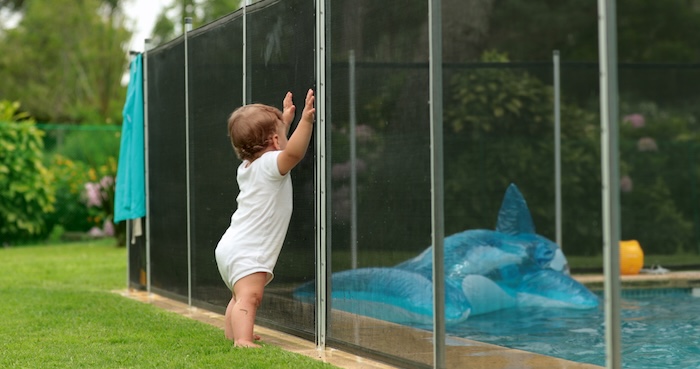
Pool safety tips every parent should know
Swimming pools provide hours of fun, but they require layers of protection. Make these pool safety rules part of every swim day:
- Never leave children unattended around water, even for a moment.
- Designate one adult as the dedicated “water watcher” whose only responsibility is supervising swimmers.
- Install a four-sided fence with a self-latching gate around home pools.
- Keep rescue equipment and a phone nearby.
- Empty kiddie pools immediately after use.
- Avoid relying on inflatable toys or floaties as safety devices.
Even if lifeguards are present, parents should always actively supervise their children.
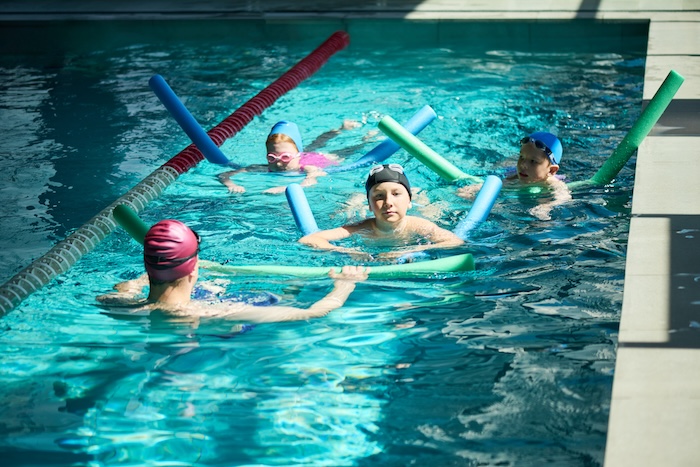
Swim lessons build water confidence, not invincibility
Formal swim lessons can help children become more comfortable and capable in the water. The American Academy of Pediatrics supports swim lessons for many children beginning around age one, depending on developmental readiness.
However, swimming ability does not eliminate drowning risk. Children still need close supervision regardless of how well they swim.
Beach and ocean safety tips
The ocean presents additional hazards that aren’t found in pools. Before you take your family to the beach:
- Swim only at beaches with visible lifeguards present.
- Stay within designated swimming areas.
- Check beach conditions and warning flags before entering the water.
- Keep young children within arm’s reach.
- Avoid swimming during rough surf or storms.
Ocean conditions can change quickly, making supervision even more important.
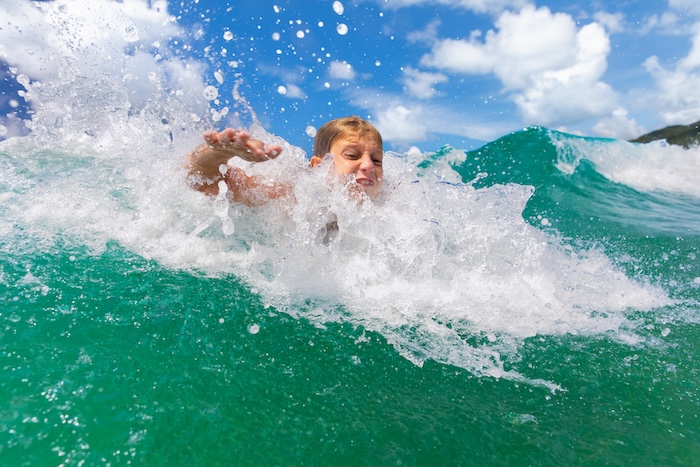
Understanding rip currents
Rip currents are powerful channels of water moving away from shore. They can pull even strong swimmers away from the beach. If caught in a rip current, follow these tips:
- Stay calm.
- Do not try to swim directly back to shore against the current.
- Swim parallel to the shoreline until free of the current.
- Then angle back toward shore.
- If unable to escape, float, tread water, and signal for help.
Teaching older children about rip currents before visiting the beach can improve safety and confidence.

Water safety begins before you touch the water
When it comes to all around water safety, preparation is the key to keeping your family safe. Before you head out, make sure you:
- Learn CPR.
- Keep emergency numbers accessible.
- Use properly fitted U.S. Coast Guard-approved life jackets for boating or open-water activities.
- Avoid distractions like phones while supervising children.
- Set clear family water safety rules before entering the water.
Practicing these habits consistently helps children develop lifelong respect for water.
Water should be a source of fun, exercise, and family memories — not preventable accidents. By combining active supervision, swim education, and smart safety practices, families can significantly reduce the risk of drowning while enjoying pools, lakes, and the ocean.
At Ocean Pediatrics, we believe prevention is one of the most important parts of keeping children healthy and safe. Our compassionate team is here to support your family with trusted pediatric guidance through every stage of childhood. Learn more or schedule an appointment with Ocean Pediatrics today to help your child stay safe, healthy, and ready for every adventure.
Request a New Patient Appointment
Ocean Pediatrics has three locations serving families across Orange County: Newport Back Bay (Costa Mesa), Laguna Hills, and Ladera Ranch. We’re currently accepting new patients.